
The “50 Newsletter Ideas” List Is a Trap
Search for newsletter advice and you will find the same thing everywhere: topic lists. “47 newsletter ideas for coaches.” “The best niches for 2024.” A table with checkboxes. You read it, feel briefly inspired, close the tab, and write nothing.
Need the draft created for you instead of another idea list? Use the generator below. For the broader system, read how to start a newsletter and how to write a newsletter. If the idea is clear but the platform is not, compare Substack alternatives, beehiiv alternatives, Mailchimp alternatives, MailerLite alternatives, and Kit / ConvertKit alternatives.
The problem is not that those lists are wrong. It’s that they skip the only question that matters: why would a specific person open this, every time?
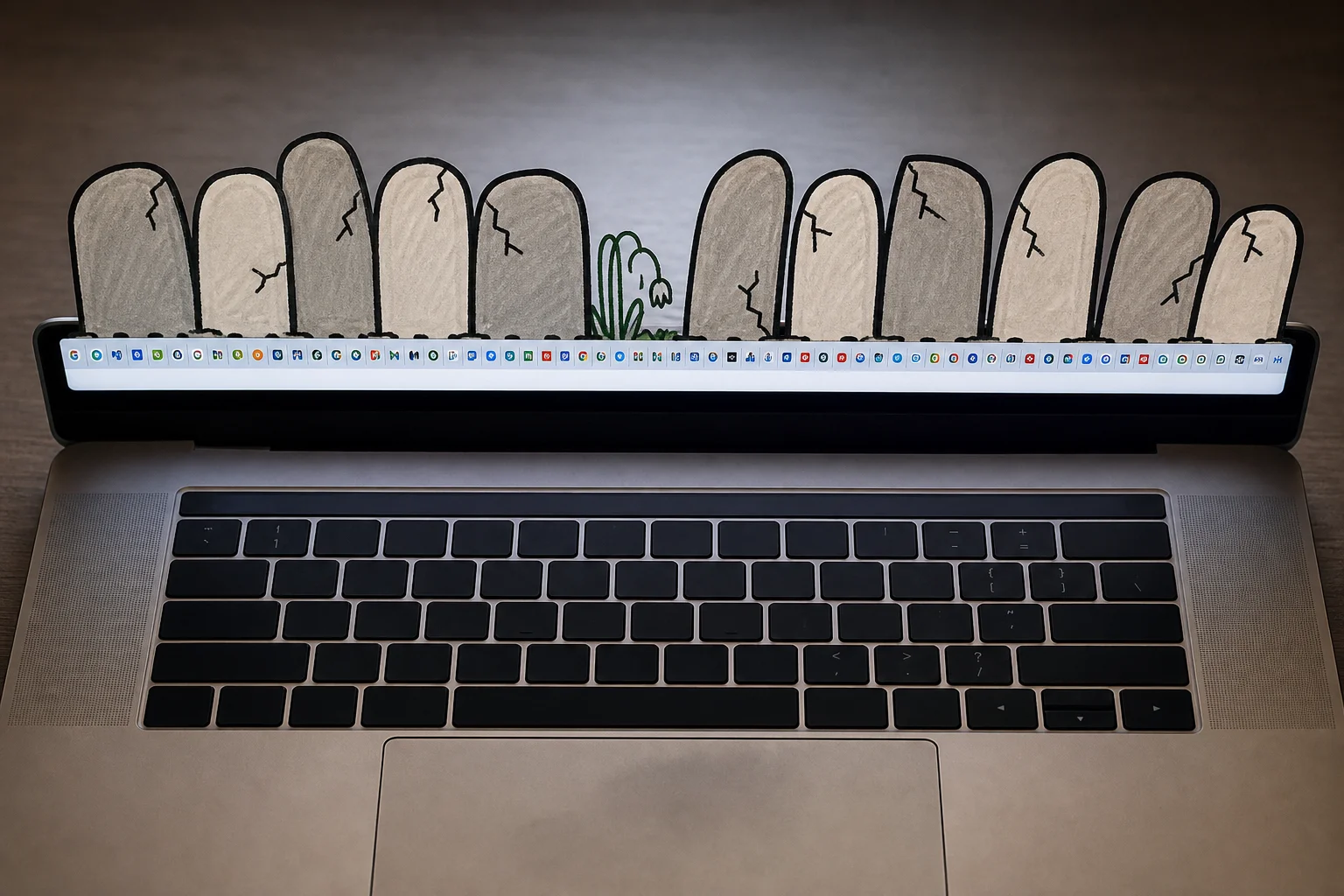
Practitioners who study newsletter growth consistently point to the same gap: most advice tells you what to write, not whether that thing fits your audience, your capacity, or your actual goal. The result is newsletters that launch enthusiastically, wobble through three issues, and quietly stop.
This guide will not give you more options. It will make you choose. By the end, you will have the criteria to pick a topic, a format, and a frequency you can actually hold, not just a longer list of things you might try someday.
Two Questions Worth Asking Before You Pick a Topic
Most newsletter planning starts in the wrong place. People pick a topic, then figure out how often to send, then wonder why they burned out by issue six. Flip that order.
Two questions actually drive whether a newsletter survives:
First: what do you want readers to do after reading? Not “feel informed.” Something concrete. Buy something, book a call, change a behavior, show up somewhere. That action determines your tone, your scope, and how you measure whether the newsletter is working. Morning Brew made a deliberate choice to sound like “texts from your smartest friend” because the goal was daily habitual reading, not deep analysis. Stratechery did the opposite: authoritative and dense, because the goal was a paying reader who valued exclusive insight enough to spend roughly $120 a year. Same general topic area, completely different reader relationship, completely different product.
Second: what can you actually maintain? A weekly newsletter you write reliably beats a daily one you abandon. Above Avalon publishes Apple analysis four times a week at around 2,000 words per issue, and that cadence supports a premium membership with low churn. That only works because the publisher can hold it.
The tradeoff is real: higher frequency builds habit faster but costs more to produce. Narrower scope is easier to sustain but limits your audience ceiling. Neither answer is universal. But you have to answer both questions before topic selection means anything.
Pick your category before you pick your topic
Once you know your reader relationship and your sustainable cadence, topic type is a structural decision. Four categories worth knowing, each asking something different from you.
Curation means filtering the internet so your readers don’t have to. Morning Brew does this at scale with a breezy business digest. Dense Discovery does it narrowly for design and culture obsessives, with maybe 10 links and personal annotations per issue. It works if you already consume a lot in a specific area and have a consistent point of view about what’s worth reading. The tradeoff: without a distinct voice, you’re one tab refresh away from being replaced by an RSS feed.
Original insight means making an argument readers can’t get elsewhere. Cook Political Report rates competitive races using its own methodology. Nate Silver publishes model-based political analysis with explicit reasoning about uncertainty. This category earns the most loyalty and supports paid subscriptions, but it demands real expertise and a defensible position. Hedge every take and it collapses into noise.
Instructional newsletters teach a repeatable skill or walk readers through a process: product tutorials, how-to sequences, step-by-step guides. These work well for businesses building customer competency and tend to generate higher click rates because every link serves a clear purpose. The cost is staleness — a tutorial from two years ago may now be wrong.
Personal and behind-the-scenes content humanizes a creator or brand by sharing process, decisions, and failures. It builds trust faster than the others, but it’s the hardest to scale because it depends entirely on the writer’s willingness to stay visible and specific.
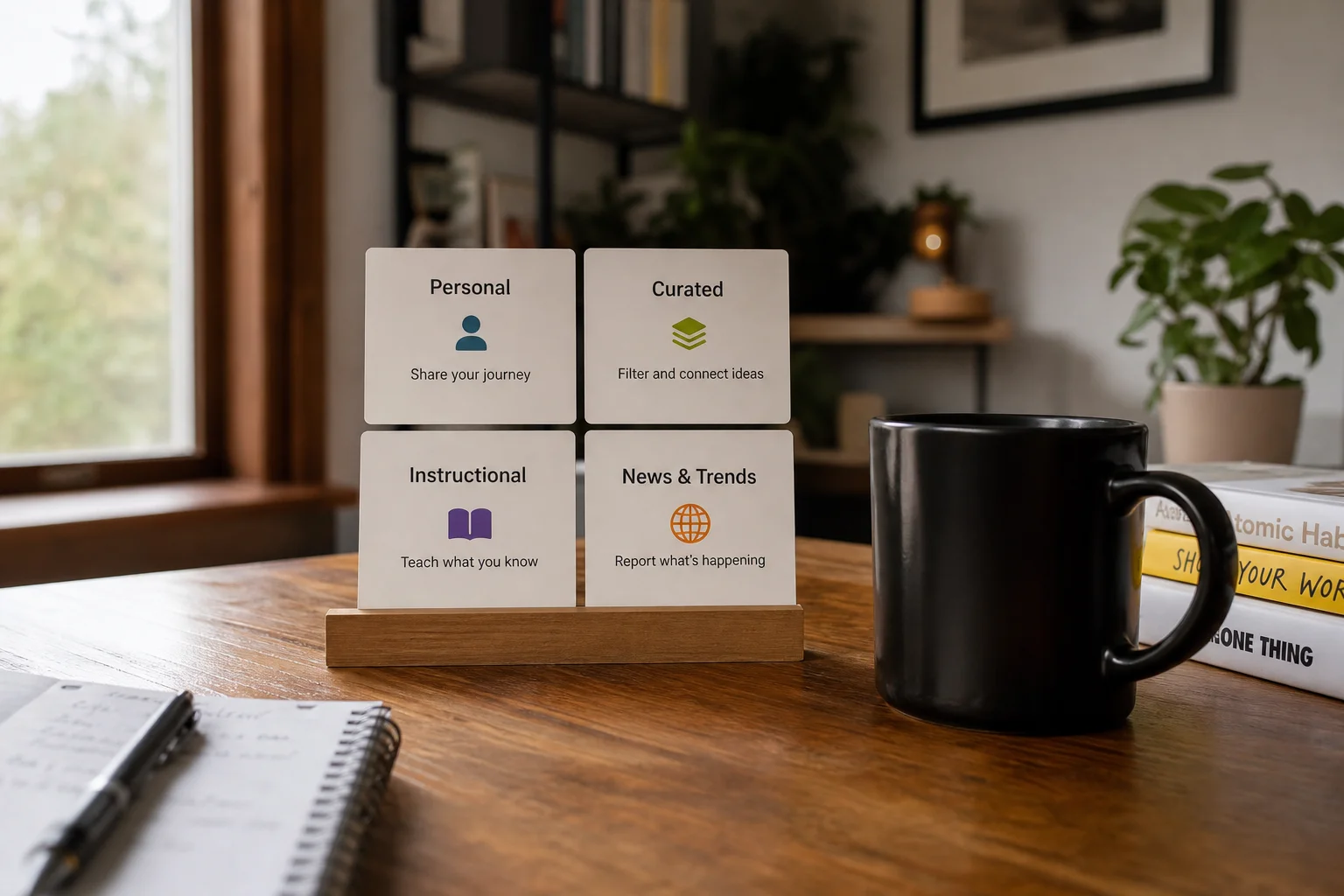
Pick the category that matches both your existing knowledge and your tolerance for ongoing production. Most newsletters that fail are instructional newsletters written by people who run out of things to teach, or insight newsletters written by people who were never willing to take a real position.
Format is a decision, not a default
Once you know your topic type, format is the next place people copy instead of choose. Three variables matter: length, frequency, and structure.
Length feels like it should scale with depth, but the data pushes back. One set of tests found click rates above 3.5% for emails under 250 words, dropping below 1% past 500. A published A/B test found a short email outperformed a long one by nearly 38% on CTR. Long-form builds authority and supports paid subscriptions, but it costs more to produce and reader attention is finite. Pick length based on what your content actually requires.
Frequency is the same trap. Daily sending correlates with fatigue and lower engagement; weekly cadences tend to hold higher median open rates. The real constraint is your own capacity. A daily newsletter you abandon after six weeks does more damage than a monthly one you sustain for two years.
Structure means freeform versus templated. Templates are faster to produce and train readers to know where to look. Freeform lets you match format to idea. The tradeoff: templates can feel mechanical over time, while freeform requires consistent judgment to hold together.
Copy a newsletter’s format and you inherit its production demands. Match format to content type and to what you can actually sustain.
The four ways newsletters quietly fail before they get good
Four patterns show up constantly, and each one feels like the right call in the moment.
Covering too many topics at once feels inclusive but reads as unfocused. A newsletter that swings from beginner how-to one week to industry analysis the next trains readers to expect nothing. They share nothing and eventually stop opening. Pick one audience, one expertise level, and stay there until readers can describe your newsletter to someone else without pausing.
Changing formats early kills momentum. Growth In Reverse documented this directly: engagement dropped every time the format shifted, then recovered once they locked into a consistent structure. Hold your format for at least eight weeks before reconsidering.
Writing for hypothetical future subscribers instead of actual ones is subtler. It shows up as hedging your language for beginners when your list is full of practitioners. Your current readers open every issue. Write for them.
Chasing growth before nailing consistency is the most common startup mistake. Guest swaps and referral programs work, but they send new readers into an inconsistent product. Irregular sending alone is one of the top reasons newsletters fail in the first 90 days. Get to ten issues before you worry about list size.
Three scenarios that should feel familiar
The e-commerce brand sends weekly product and lifestyle content to a general list. Goal: loyalty and repeat purchase. Format: short, segmented by gender or category, like Rip Curl’s approach. The trap to avoid: the same promotional blast to everyone. Segmentation is what separates useful from annoying.
The niche subject-matter writer covers one narrow topic deeply, biweekly or monthly. Goal: analysis or opinion. Format: long-form, single idea per issue. Above Avalon and Industry Dive both built real audiences this way. Avoid broadening the topic to attract more readers. Narrower usually means more loyal.
The freelancer or consultant sends occasional useful content to past and potential clients. Goal: staying visible to a warm audience. Format: short, no-pressure, genuinely helpful. The trap: pitching. A newsletter that reads like a sales email trains people to delete it before they finish the subject line.
Five decisions, then write
Pick your topic bucket: curation, analysis, how-to, or community. Pick your frequency based on what you can actually sustain, not what sounds ambitious. Decide on your relationship with readers: are you a useful stranger, a trusted expert, or something in between? Choose a format length that matches both your topic and your schedule. Then ask whether you’d read this newsletter yourself, honestly.
That’s it. Five decisions, all of which this guide covered. Make them, write them down, and send the first issue. It doesn’t need a perfect subject line or a polished template. It needs to exist, because nothing you decide before sending is as useful as what you’ll learn after.
Send it, then send it again
The newsletter that runs for three years at “good enough” will outperform the one that launches perfectly and disappears by March. Consistency compounds in ways that single great issues don’t: readers build habits around reliable senders, not impressive ones. That’s the whole argument of this guide, really. The framework isn’t about finding the perfect topic. It’s about making a decision you can actually repeat 40 times a year without burning out. Pick the cadence that feels slightly too easy. You’ll need that margin on the hard weeks.